
When you read a vehicle spec sheet, you see two performance numbers listed: horsepower and torque. Most people focus on horsepower. But torque is often the more useful number for everyday driving, towing, and acceleration feel.
Understanding what is torque in cars helps you evaluate vehicles more accurately and avoid being misled by marketing language.
Torque Defined in Plain Terms
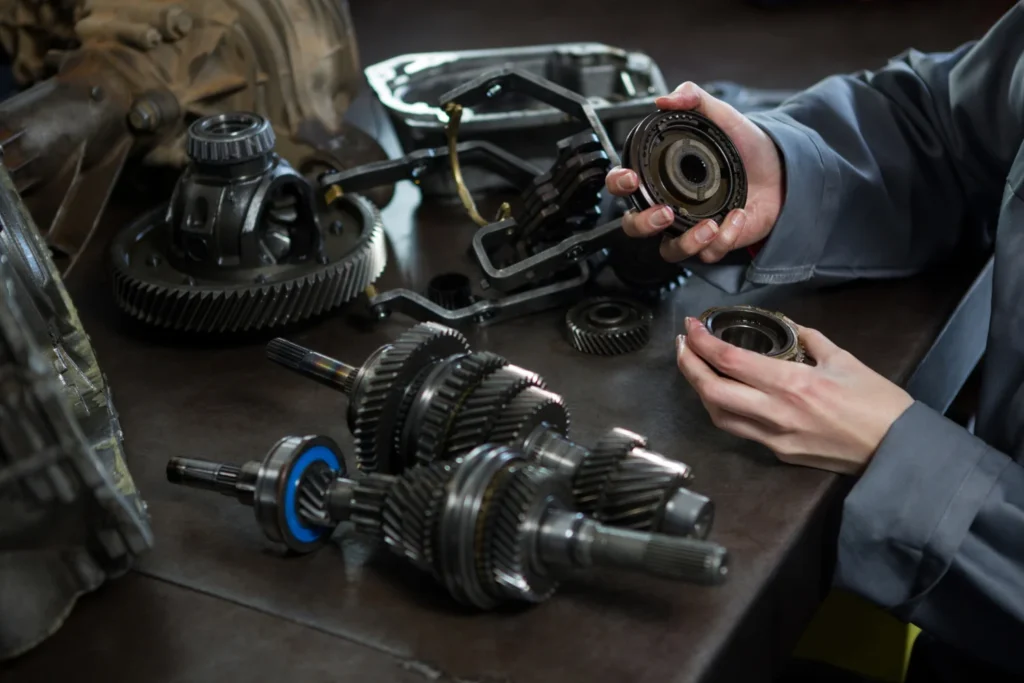
Torque is rotational force. In a car, it is the twisting force that the engine produces to turn the crankshaft, which ultimately drives the wheels.
Think of it this way: if you use a wrench to tighten a bolt, the force you apply at the end of that wrench is torque. A longer wrench makes the job easier because it multiplies that rotational force. Engines work on the same principle.
Torque is measured in pound-feet (lb-ft) in the United States, or Newton-meters (Nm) in much of the rest of the world. A higher torque number means more pulling and pushing force at the wheels.
How Torque Differs from Horsepower
Horsepower and torque are related but not the same. Horsepower measures how quickly an engine can do work over time. Torque measures how much rotational force the engine generates at any given moment.
An easy way to remember it: torque gets you moving, horsepower keeps you moving fast. Vehicles with high torque at low RPMs, like diesel trucks or electric cars, feel strong and responsive from a stop. Vehicles with high horsepower but lower torque may need to rev higher before the power kicks in.
For towing, hauling, or off-road use, torque matters more than horsepower.

What Torque Means When You Buy a Car
When comparing vehicles, look at not just the peak torque number but at what RPM it occurs. A truck that produces 400 lb-ft of torque at 1,800 RPM will feel more capable in daily driving than one that produces the same number at 4,500 RPM.
Electric vehicles produce maximum torque instantly from a standstill, which is why they accelerate so rapidly despite having no traditional engine.